


"Wieliczka" Salt Mine
Tour description
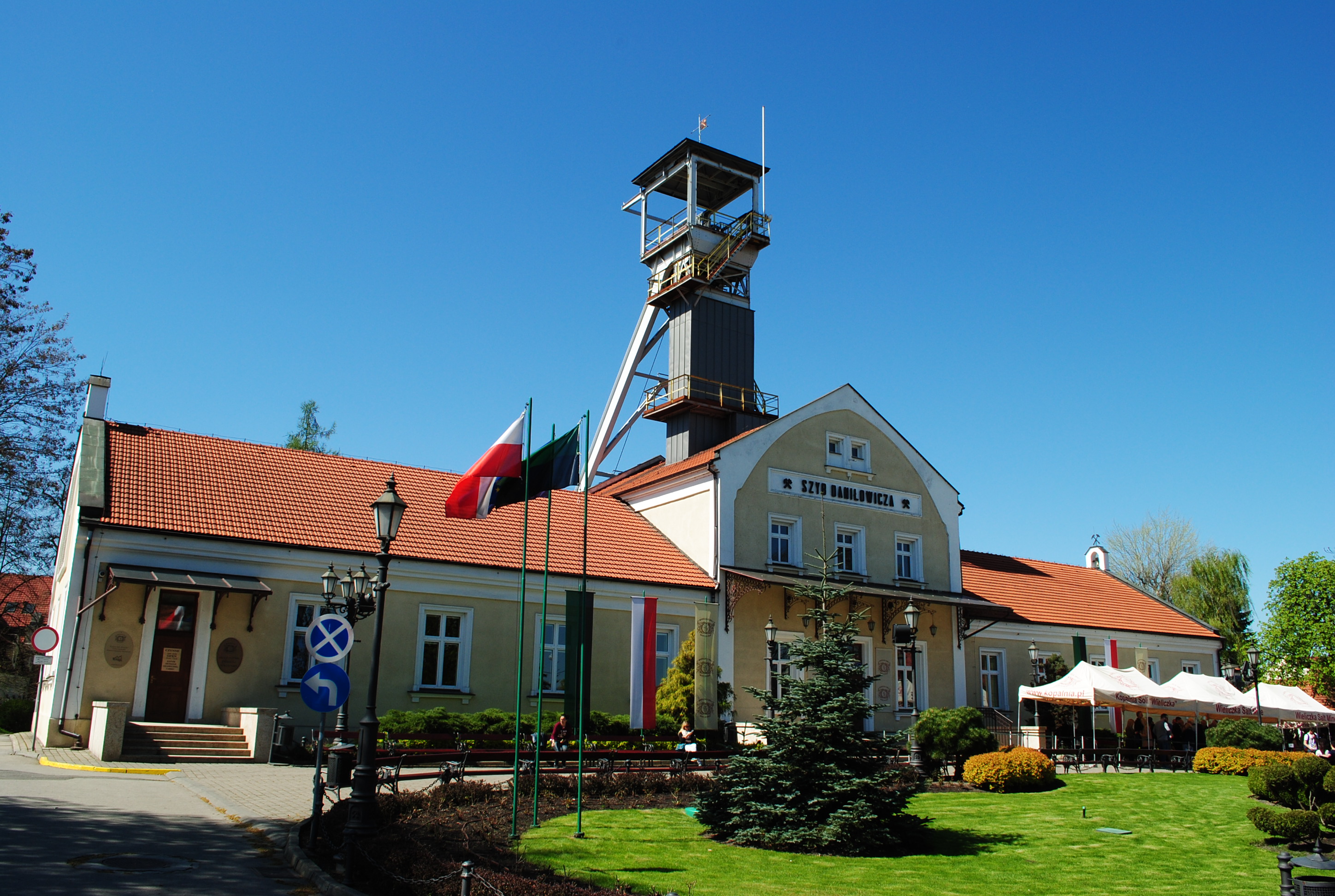
I grew up in Wieliczka. Before it was a UNESCO World Heritage Site to me, it was simply the town - the place where half the families I knew had someone who had worked underground, where "the mine" was not a landmark but a shift pattern.
So you get two tours in one day. The official one, led by a licensed museum educator who knows every chamber and every date. And mine: the quirks, the local gossip, the stories that never make it onto the plaques.
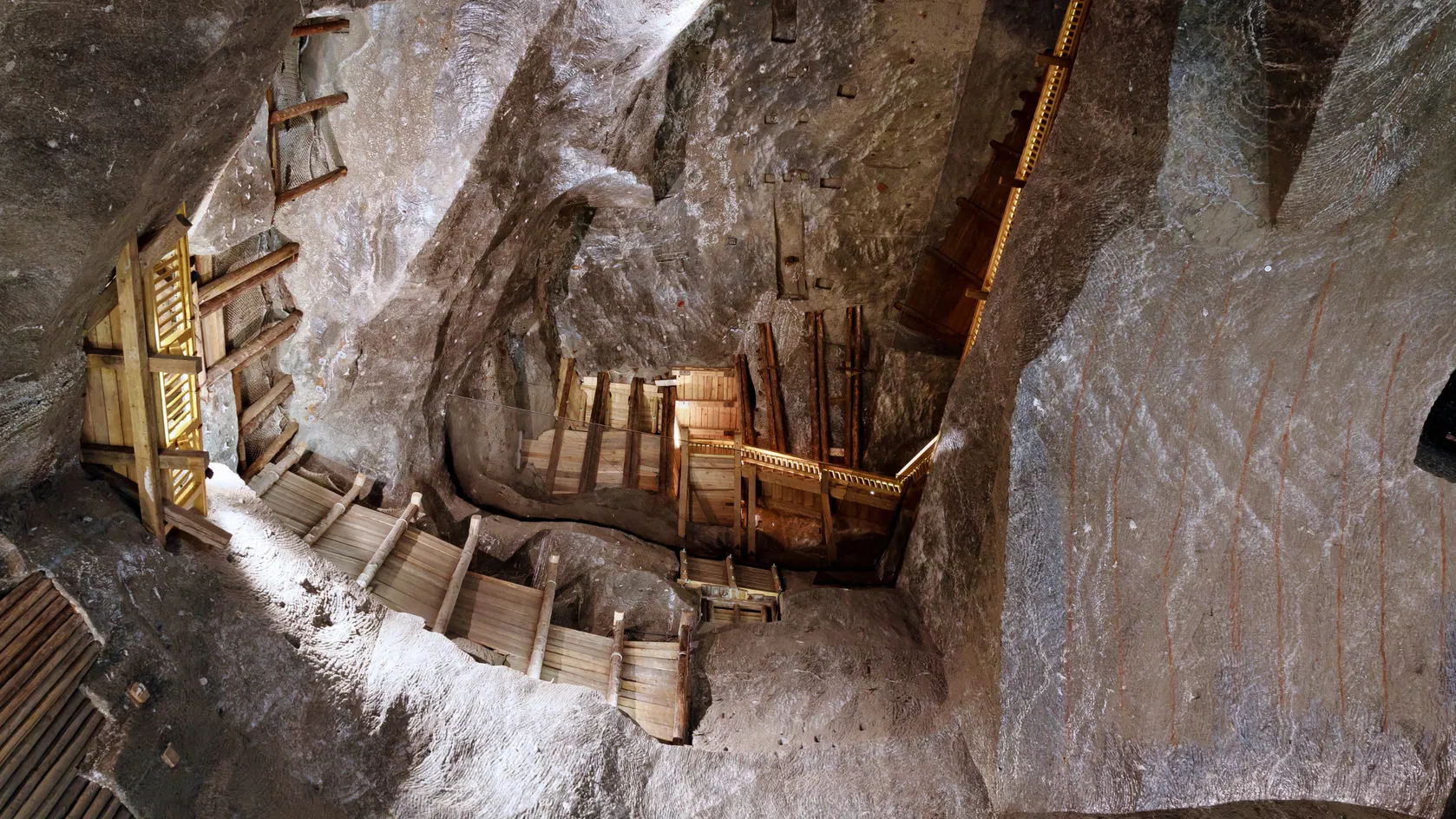
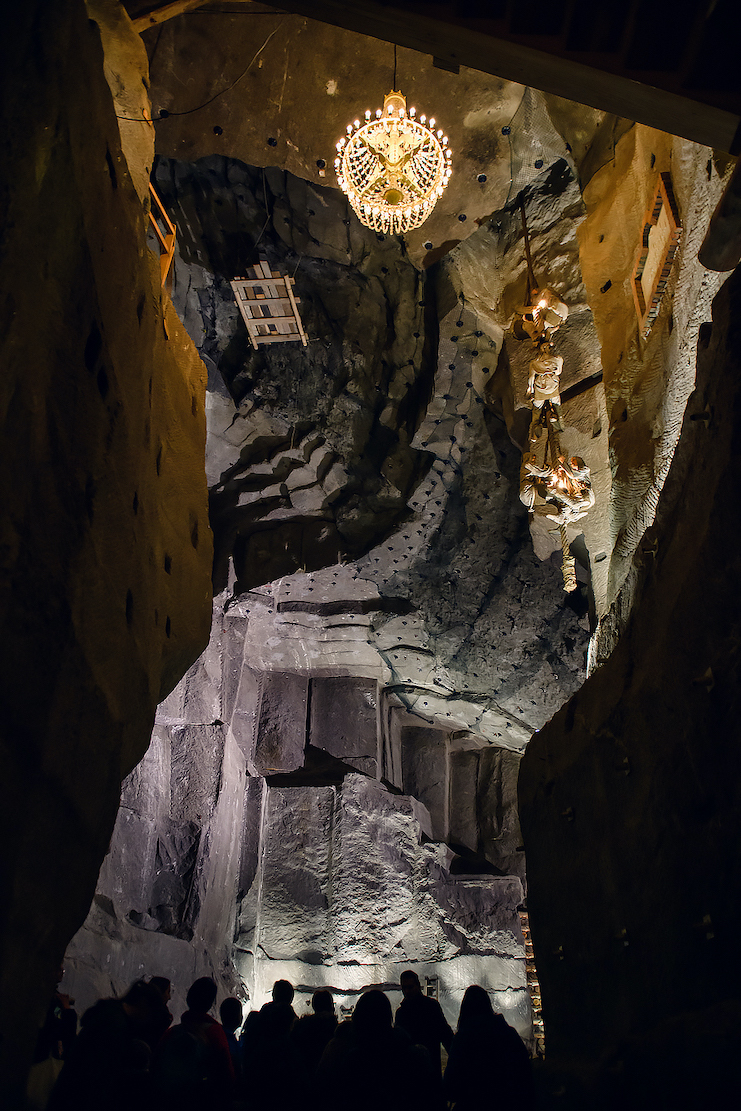
Wieliczka is one of the oldest working salt mines in the world, cut continuously from the 13th century until 1996. Nine levels, around 245 kilometres of corridors. You will walk a small fraction of them, 135 metres below the surface, through chambers where miners carved chapels, chandeliers and entire congregations out of solid rock salt - because they worked in the dark, and wanted something beautiful to pray in front of.
How your day runs
Pickup at your door
I collect you from your hotel or apartment in Kraków. No meeting point to find, no corner to stand on, no working out which bus goes where.
The drive
About half an hour southeast. Long enough for me to set the scene - and to answer the questions you didn't know you had about this part of Poland.
Logistics handled
Tickets, entry slot, the queue, the paperwork. You walk in; I have already dealt with the rest.
2.5 hours underground
With a licensed museum educator - the mine requires one, and they are genuinely excellent. St. Kinga's Chapel, the salt lake, the carved chambers, 135 metres down.
Door to door, back again
I am waiting when you surface. Back to your accommodation, or anywhere in Kraków you would rather be dropped instead.
What you will see down there
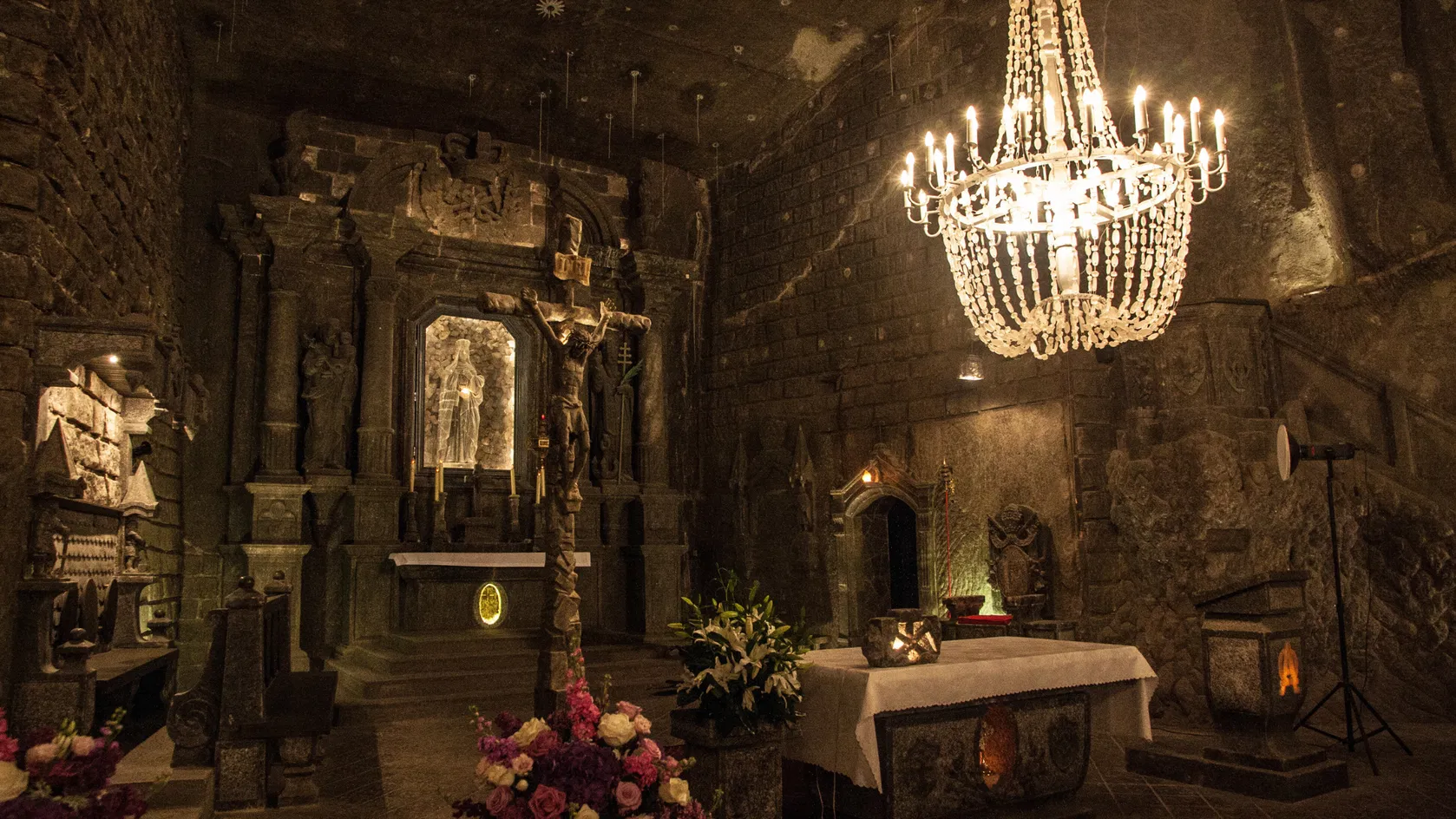
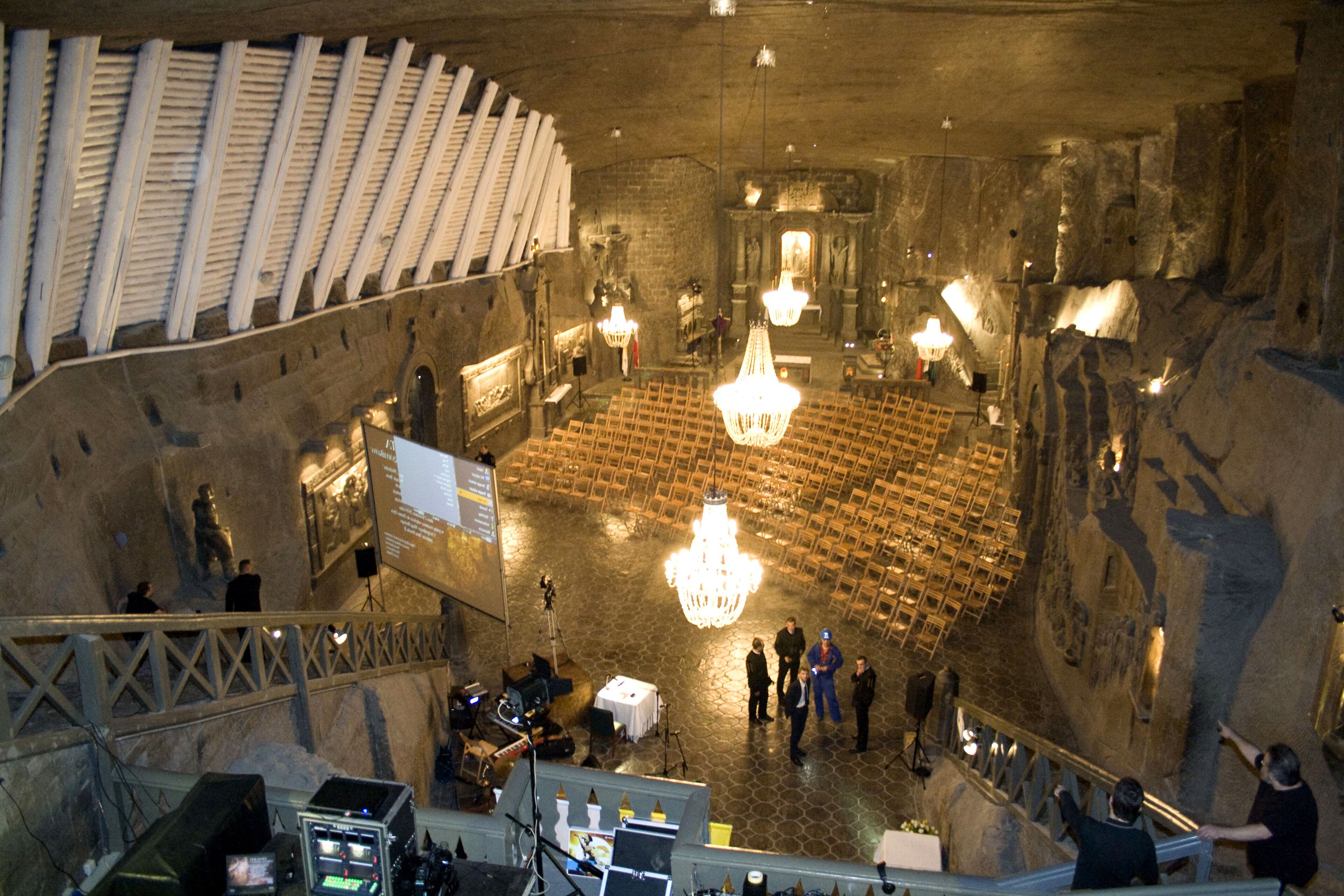
- St. Kinga's Chapel: An entire church hewn from rock salt, chandeliers included - the crystals cut and polished by hand. It is still consecrated. People marry down there. The acoustics are extraordinary.
- The carved chambers: Sculptures by miners and, later, by artists: myths, saints, kings, and the occasional sense of humour. Copernicus and Goethe both came to see this place, and both have a chamber named after them.
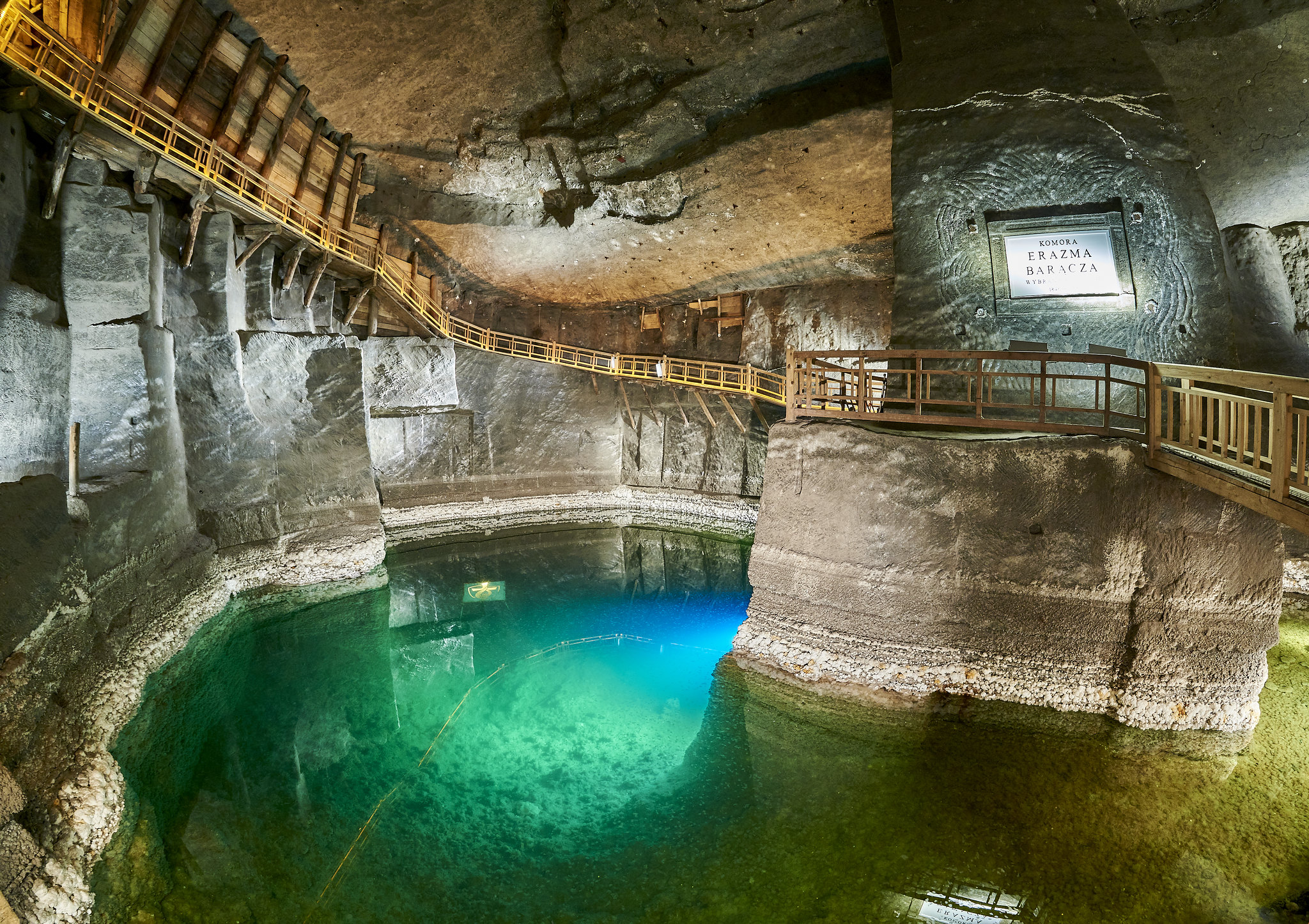
- The underground lake: Brine so dense you could not sink in it, lit and scored with music in the Erazm Barącz chamber. It is the one part of the route where everybody goes quiet.
The story most visitors never hear
Here is the thing about this mine: it paid for a kingdom.
In the 15th and 16th centuries - Poland's golden age, when Kraków was one of the great capitals of Europe - salt was not a seasoning. It was the only way to carry meat through a winter, which made it less like a spice and more like fuel, or currency. The royal salt works at Wieliczka and neighbouring Bochnia were a crown monopoly, and at their height they are reckoned to have filled close to a third of the royal treasury.
Which means the Wawel you will photograph, the university Copernicus studied at, the Renaissance that arrived in Kraków while much of Europe was still waiting for it - a great deal of it was paid for in salt. White gold, hauled out of the ground beneath my hometown.
That is the sort of thing I would rather tell you on the drive than have you read off a sign. There is plenty more where it came from: the legend of St. Kinga's ring, thrown into a Hungarian mine and found - so the story goes - inside the first block of salt ever split open here. The fact that when UNESCO drew up its very first World Heritage list in 1978, twelve sites in the entire world made the cut, and this was one of them. Ask me on the way and I will happily talk the whole thirty minutes.
Good to know
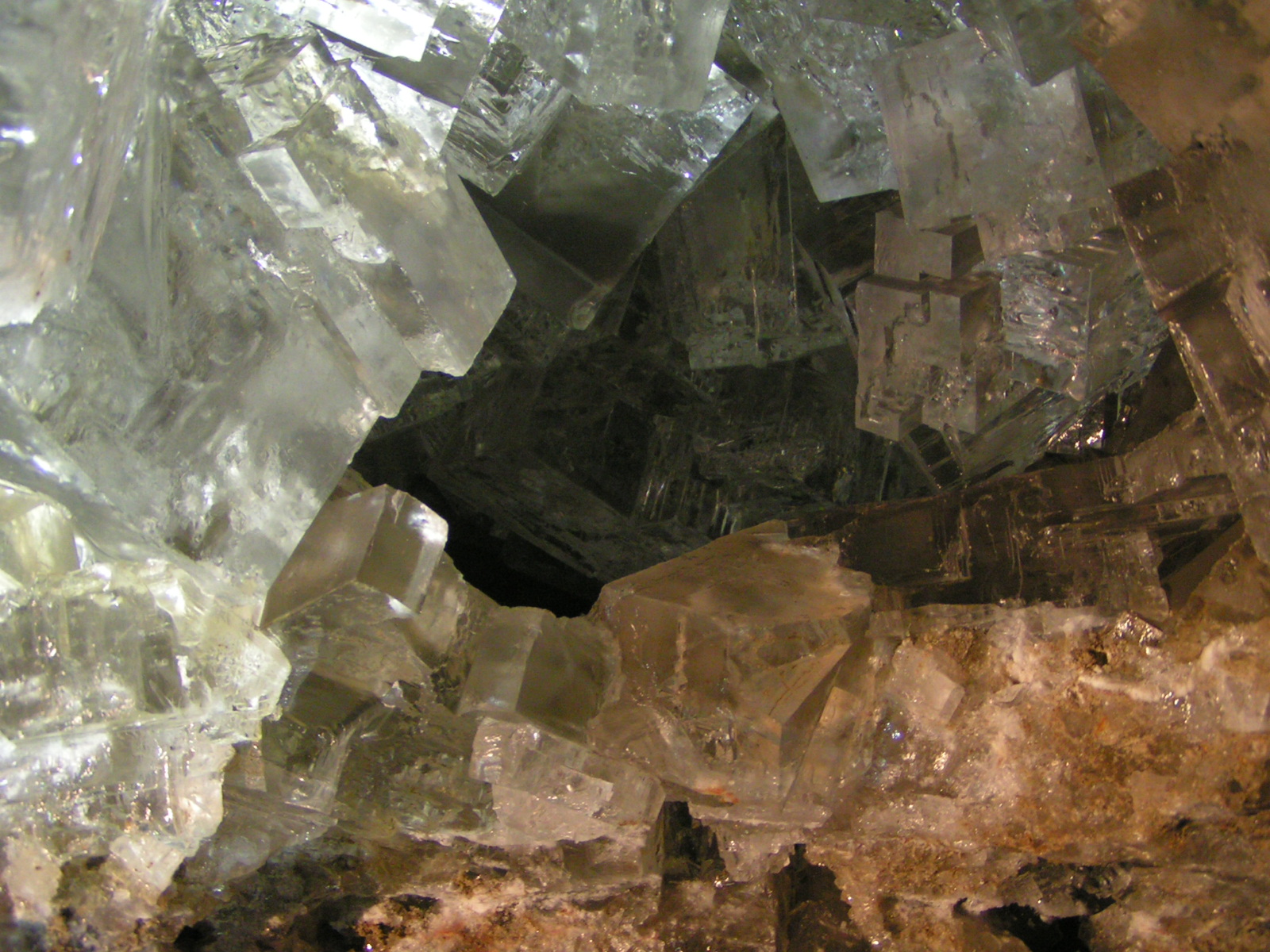
- The air is part of the visit: The microclimate down there is used to treat respiratory conditions - it is a working sanatorium as well as a museum. Most people notice they are breathing a little more easily by the end.
- A darker chapter: During the Second World War the Germans converted parts of the mine for war production. Your educator will cover what happened here and what it cost.
- It is still being saved: Salt dissolves. Keeping this place standing is constant, painstaking work, and some of what you walk past is younger than it looks.
Two and a half hours underground, a licensed educator, and me at both ends of the day handling everything else. That is the regular tour: small group, fixed timings, and the easiest way to see Wieliczka properly.
Or have the day to yourself
If you would rather not share the car: your own vehicle, your own pace, me driving and guiding personally, and an itinerary we shape together - lunch in Wieliczka, the winery on the hill above the mine, or wherever the day takes you.
Private tours with Shimmy →FAQ
Questions, answered
Reserve your spot
Max 7 guests per tour